
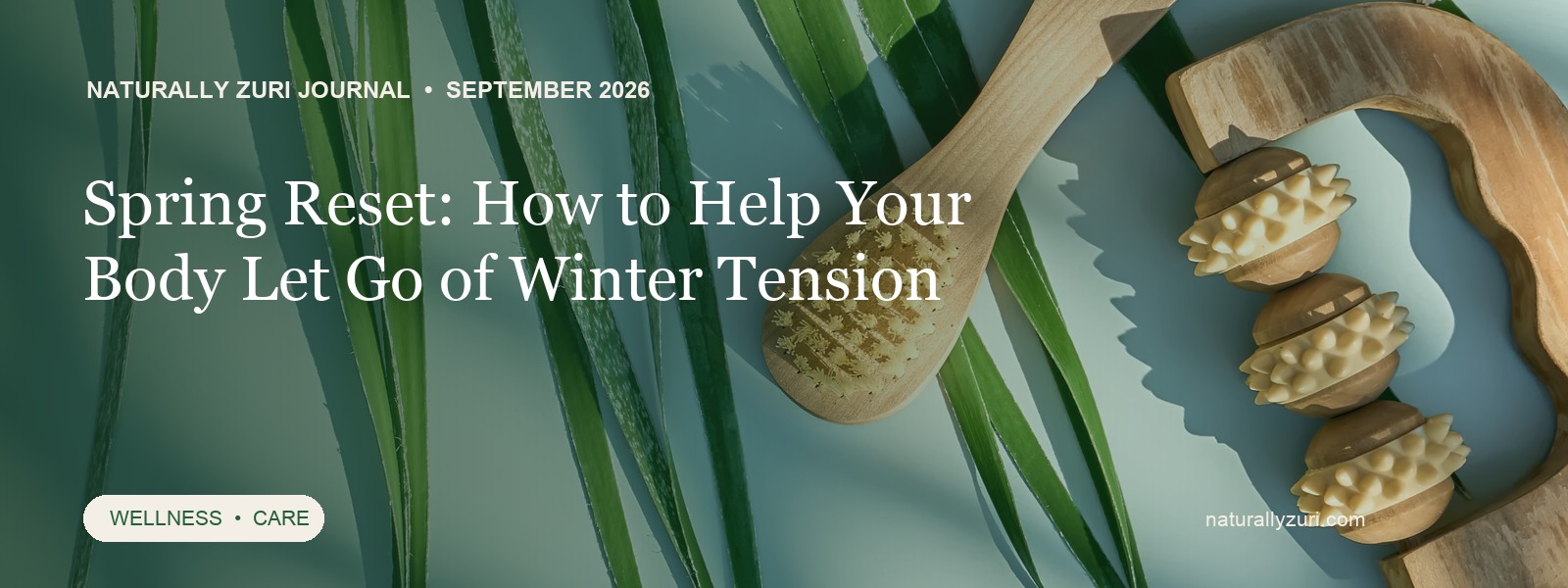
Spring often arrives with a burst of motivation. We open the windows, clear crowded cupboards and make plans for the brighter months ahead. Yet while our homes may receive a seasonal refresh, our bodies are often left carrying the effects of winter.
Cold weather can change the way we move. We may spend more time indoors, exercise less frequently or unconsciously hold our shoulders closer to our ears when temperatures drop. Long hours under blankets, behind desks or in the car can leave the neck, shoulders, hips and lower back feeling unusually tight.
Spring is an ideal time to notice that tension and create a gentle reset—not through an extreme routine, but through consistent care.
Why the body can feel different after winter
Muscles usually feel their best when they are used regularly through a comfortable range of motion. During colder months, daily movement can become smaller and less varied. Walking is replaced by driving, outdoor plans become evenings on the couch and stretching is easy to forget.
Stress can add another layer. When life feels demanding, many people brace without realising it: the jaw tightens, the shoulders lift and breathing becomes shallower. These small patterns can accumulate until stiffness begins to feel normal.
The goal of a spring reset is not to force the body into flexibility. It is to gradually create more ease.
Start with movement you can repeat
A demanding workout is not the only way to become more mobile. Simple, frequent movement is often easier to maintain.
Try beginning the day with shoulder rolls, slow neck turns and a gentle reach overhead. Take a short walk at lunchtime. If you work at a desk, stand up every hour and move for two or three minutes. The most useful routine is the one you can repeat without dreading it.
Pay attention to how your body responds. A stretch should feel like a comfortable lengthening, not sharp pain. If a movement increases pain, numbness or tingling, stop and seek advice from an appropriate healthcare professional.
Use warmth to support relaxation
A warm shower, bath or heat pack can feel soothing when muscles are tense. Warmth may help you settle before stretching, sleep or a massage session. Keep the temperature comfortable, protect your skin and avoid using heat on an area that is acutely injured or inflamed.
Turning the moment into a small ritual can also help: put the phone aside, slow your breathing and give your body a few uninterrupted minutes.
Make recovery part of the plan
Spring calendars fill quickly. As activity increases, recovery needs to increase with it. Rest days, adequate sleep, regular meals and hydration all support your ability to move and feel well.
Massage can also become part of a balanced recovery routine. A thoughtful session gives you time to slow down while your therapist works with the areas that feel overused, restricted or tense. The pressure and focus should be adapted to your comfort—not based on the idea that a treatment must hurt to be effective.
Notice your personal tension patterns
Before your next massage, take a moment to ask:
- Where do I feel tension first when I am stressed?
- Which daily activities make it worse?
- What type of pressure usually feels helpful?
- Is my main goal relaxation, easier movement or support after activity?
Sharing these observations helps your therapist personalise the session. Your feedback during the treatment matters too. Pressure, temperature and positioning can all be adjusted.
A gentler beginning to the season
A reset does not need to be dramatic. It can be a ten-minute walk, an earlier bedtime, a stretch between meetings or an hour reserved for restorative care. Small choices send a clear message: your wellbeing deserves space in the calendar.
If winter tension has followed you into spring, Naturally Zuri can help you create a treatment plan centred on your comfort and needs. Book your spring reset at naturallyzuri.com