If you are searching for deep tissue massage in Brooklyn, chances are your body is not just asking for relaxation. It may be asking for real relief.
Deep tissue massage is often chosen by people dealing with tight shoulders, lower back tension, neck stiffness, heavy legs, sore muscles, or stress that seems to live in the body.
But deep tissue does not mean as hard as possible. A great deep tissue massage is focused, intentional, and responsive to your body.
What Is Deep Tissue Massage?
Deep tissue massage works with deeper layers of muscle and connective tissue. It often uses slower strokes, sustained pressure, and targeted techniques to address areas of tension.
This type of massage may focus on:
- Neck and shoulders
- Upper back
- Lower back
- Hips and glutes
- Legs
- Areas with chronic tightness or restricted movement
Cleveland Clinic notes that massage may support relaxation, pain relief, and easing muscle tension. The National Center for Complementary and Integrative Health also notes that research suggests massage therapy may help with some types of pain, although evidence quality and duration of relief can vary.
Who Should Book Deep Tissue Massage?
Deep tissue massage may be a good fit if you:
- Sit at a desk for long hours
- Carry tension in your shoulders or jaw
- Work out regularly
- Feel stiff when you wake up
- Have recurring knots
- Prefer firmer pressure
- Want a more targeted session than relaxation massage
It is also a popular option for people who feel like their body needs more than a light massage.
Deep Tissue vs. Relaxation Massage
Relaxation massage is usually softer, smoother, and more calming. Deep tissue massage is more targeted and may involve deeper pressure.
Choose relaxation massage if your main goal is to unwind. Choose deep tissue massage if your main goal is to work through tightness, tension, or specific problem areas.
Some sessions can include both. You might start with calming work to help the body settle, then move into deeper techniques where needed.
What to Expect During Your Session
Your therapist should begin by asking what you want to focus on. Be specific. Instead of saying, my back hurts, try saying:
- My upper back feels tight after work.
- My lower back feels stiff when I stand up.
- My shoulders feel tense and heavy.
- I want firm pressure, but not painful pressure.
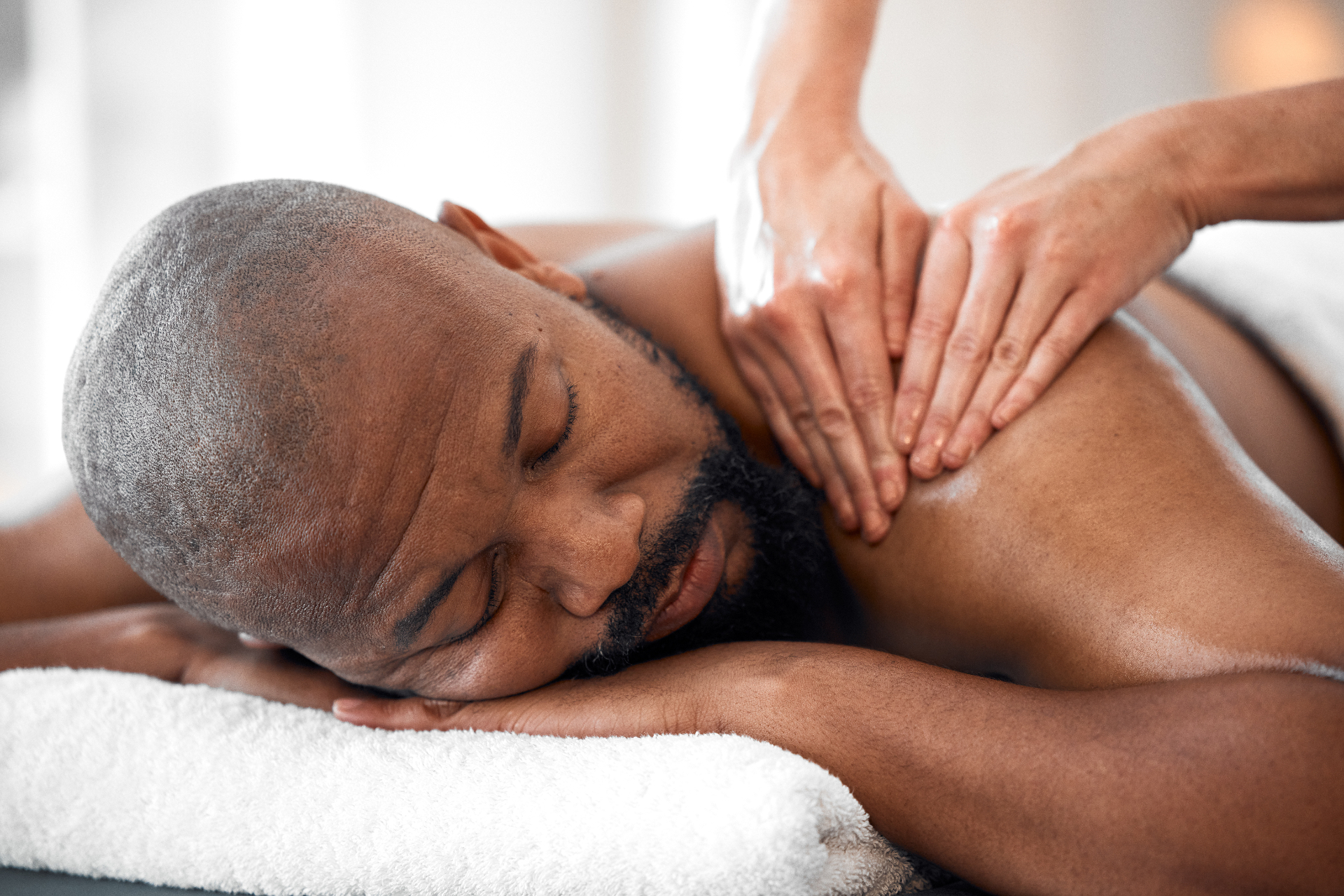
During the massage, your therapist may use hands, forearms, or slow sustained pressure to work into tight areas. You may feel tenderness in spots where the muscle is guarded, but you should not feel like you need to hold your breath or brace against the table.
How to Prepare
Before your deep tissue massage:
- Drink water
- Avoid a heavy meal right before your session
- Arrive a few minutes early
- Share injuries or sensitive areas
- Speak up about pressure
- Plan a slower pace afterward if possible
After your session, it is normal to feel relaxed, tender, or tired. Gentle movement and hydration can help your body settle.
How Often Should You Book Deep Tissue Massage?
It depends on your goals.
For general maintenance, every 3 to 4 weeks may work well. For ongoing tension, weekly or every two weeks may be better for a short period. Your therapist can help you decide what makes sense after your session.
Final Thoughts
Deep tissue massage is not about forcing the body to release. It is about working with the body in a focused, skilled way.
If you are looking for deep tissue massage in Brooklyn, Naturally Zuri offers therapeutic bodywork designed to help your body feel supported, not rushed.
FAQ
Is deep tissue massage good for back tension?
Many people choose deep tissue massage for back, neck, and shoulder tension. The right pressure and technique depend on your body and comfort level.
Will I be sore after deep tissue massage?
Some tenderness can happen, especially after focused work. It should not feel extreme or last too long.
Can I ask for lighter pressure during deep tissue?
Yes. Deep tissue should always be adjusted to your comfort level.