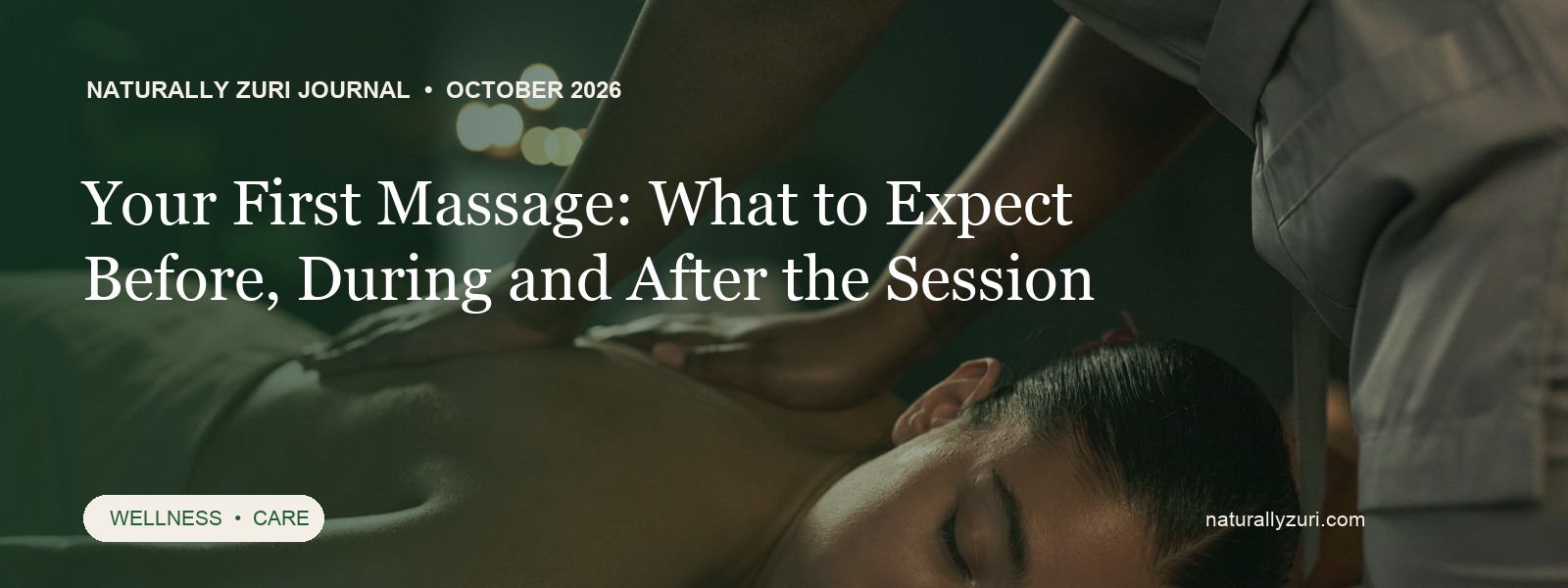
Booking your first massage can feel exciting and slightly intimidating. You may wonder what to wear, how much you need to say, whether you should talk during the treatment or what happens if the pressure feels wrong.
A professional massage should be clear, respectful and collaborative. Knowing what to expect can help you arrive feeling more at ease.
Before your appointment
You do not need a complicated preparation routine. Eat normally, stay comfortably hydrated and avoid arriving immediately after a very heavy meal. Wear whatever makes you comfortable; you will be given privacy to prepare for the treatment.
Try to arrive a few minutes early so you are not carrying the stress of rushing into the room.
You may be asked to complete an intake form or answer questions about:
- your reason for booking;
- areas of tension or discomfort;
- injuries, surgery or health conditions;
- medication or allergies;
- pressure preferences; and
- areas you would like included or avoided.
Answer honestly. The information helps your therapist plan a safer, more appropriate session. If you are uncertain whether massage is suitable for a medical condition, consult your healthcare provider before booking.
Choosing what to wear or remove
Your therapist will explain how to prepare and will leave the room while you do so. You should undress only to your own level of comfort. Professional draping is used so that only the area being treated is uncovered.
You can also ask to remain more fully clothed or request a style of bodywork that accommodates this. Consent is ongoing: agreeing to a massage does not mean agreeing to every area or technique.
During the massage
Your therapist may begin with lighter contact and gradually adjust the pressure. You are encouraged to speak up at any time.
Useful feedback includes:
- “Could you use a little less pressure?”
- “That area feels sensitive today.”
- “Can we adjust the headrest?”
- “I am feeling too warm.”
- “I would prefer not to have that area treated.”
You are not being difficult. Clear feedback helps create a better session.
Conversation is also your choice. Some clients enjoy chatting; others prefer silence. You do not have to keep your therapist entertained. Closing your eyes, breathing normally and allowing yourself to rest is enough.
Massage may feel tender in a tense area, but it should not feel sharp, alarming or unbearable. More pain does not guarantee a better result.
After the session
Your therapist will leave the room so you can dress privately. Take your time when sitting or standing up, especially if you feel deeply relaxed.
You may be encouraged to drink water, continue gentle movement or pay attention to how you feel later that day. There is no need to force excessive water intake or follow a dramatic “detox” routine. Choose normal hydration according to your needs and any medical guidance you have received.
Some people feel relaxed and sleepy; others feel refreshed. Mild temporary tenderness can occur after unfamiliar or firmer work, but significant or worsening pain is not something to ignore. Contact your therapist or an appropriate healthcare professional if you are concerned.
How to get more from the experience
Before leaving, notice what worked well. Did you prefer slower pressure? Did extra support under your knees help? Was there an area you would like to focus on next time?
These details make future sessions easier to personalise. There is no ideal way to receive a massage—only the way that helps you feel safe and comfortable.
Your first appointment should feel welcoming, not mysterious. Naturally Zuri creates personalised treatments with communication and care at every step. Book your session at naturallyzuri.com.