If you have been searching for lymphatic drainage massage in Brooklyn, you may be looking for something different from a traditional massage.
Lymphatic drainage massage is not deep tissue. It is not designed to be intense. It is a gentle, intentional technique that focuses on encouraging fluid movement and supporting the body’s natural lymphatic flow.
For many clients, the goal is to feel lighter, less puffy, and more comfortable in the body.
What Is Lymphatic Drainage Massage?
Lymphatic drainage massage uses light, rhythmic movements to support the lymphatic system. The lymphatic system helps regulate fluid balance and plays a role in immune function.
Cleveland Clinic describes lymphatic drainage massage as a technique that gently manipulates areas of the body to move excess fluid away from tissues and toward working lymph vessels and lymph nodes.
This massage is typically much lighter than therapeutic or deep tissue massage because lymph vessels are close to the surface of the skin.
Who Is Lymphatic Massage For?
Lymphatic drainage massage may be helpful for people who feel:
- Puffy
- Swollen
- Heavy
- Bloated
- Sluggish
- Sensitive to deep pressure
- In need of gentle bodywork
It is also commonly searched by people interested in post-treatment or post-procedure support, though anyone recovering from surgery or medical treatment should follow their provider’s guidance before booking.
What Does It Feel Like?
Lymphatic drainage massage should feel gentle, slow, and calming.
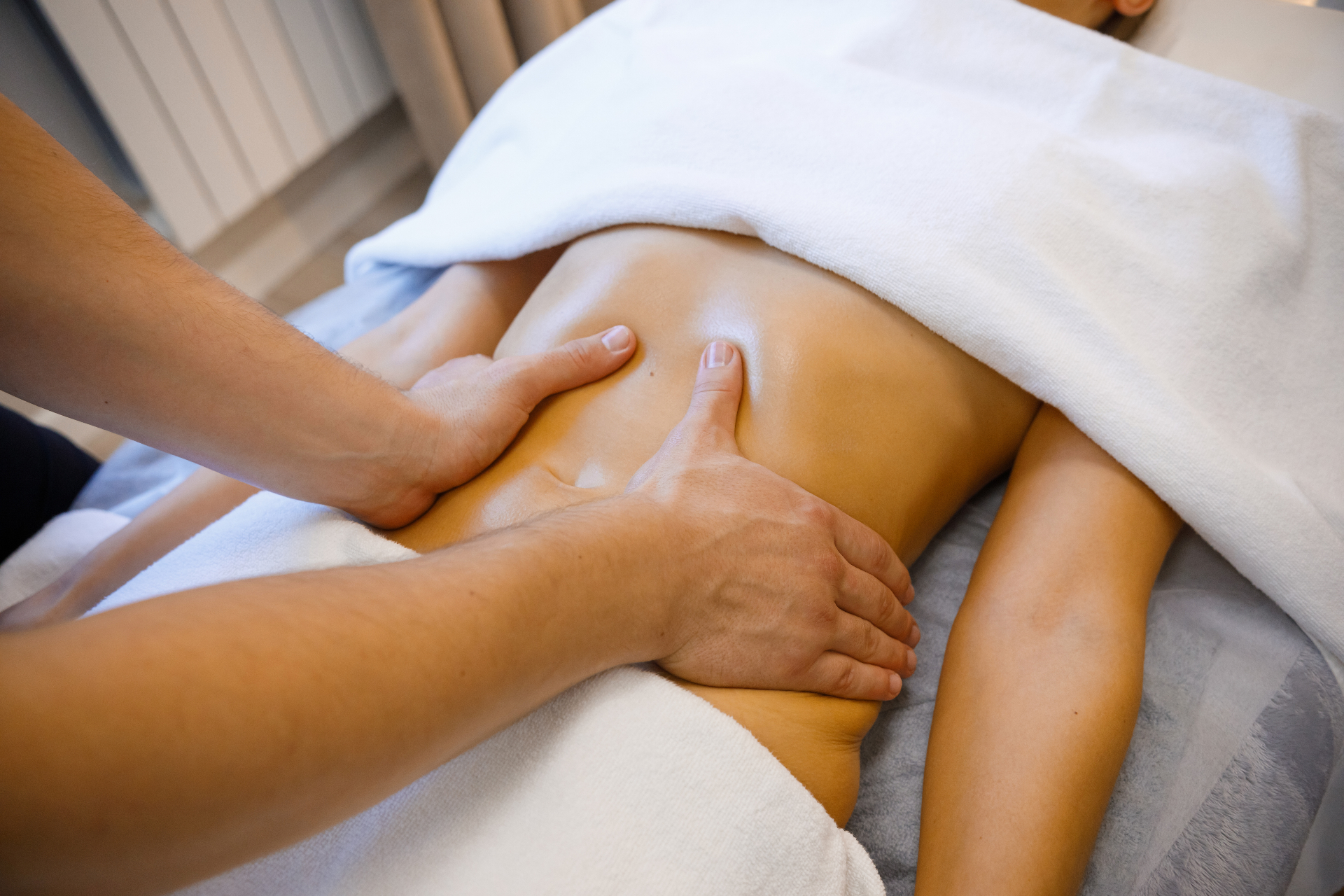
Instead of deep pressure, your therapist may use light stretching or sweeping movements. The session may focus on areas where fluid commonly collects or where lymph flow needs support.
Clients often describe the experience as relaxing, soothing, and subtle.
Lymphatic Drainage vs. Deep Tissue Massage
These two services are very different.
Deep tissue massage works into deeper muscle layers and is often chosen for tightness, knots, and chronic tension.
Lymphatic drainage massage uses lighter pressure and is chosen for fluid movement, puffiness, swelling support, and gentle wellness care.
If you want firm pressure, deep tissue may be better. If you want gentle support and a lighter feel, lymphatic drainage may be the better choice.
How Often Should You Book?
Frequency depends on your goals.
For general wellness, some clients book lymphatic drainage once or twice per month. For a specific concern, your therapist may recommend a short course of sessions followed by maintenance.
A common rhythm may look like:
- Weekly for a short focused period
- Every 2 to 4 weeks for maintenance
- As needed when you feel puffy, heavy, or sluggish
Your therapist can help guide a plan that feels realistic for your body and schedule.
How to Prepare for Lymphatic Drainage Massage
Before your session:
- Drink water
- Avoid a heavy meal right before
- Wear comfortable clothing
- Share any health conditions
- Mention recent surgeries or medical treatments
- Avoid expecting deep pressure
After your session, keep things gentle. Hydrate, move lightly, and allow your body time to settle.
When Not to Book Without Medical Guidance
Lymphatic drainage massage is gentle, but it is not appropriate for everyone. If you have certain medical conditions, recent surgery, active infection, heart concerns, blood clots, or unexplained swelling, check with a healthcare provider first.
A safe, informed session is always better than guessing.
Final Thoughts
Lymphatic drainage massage is for the person who wants gentle, intentional support, not forceful bodywork.
If you are looking for lymphatic drainage massage in Brooklyn, Naturally Zuri offers a calming environment where your session can be shaped around your body’s needs.
FAQ
Is lymphatic drainage massage painful?
No. It is usually very gentle and should not feel painful.
Can lymphatic drainage help with puffiness?
Many people seek it for puffiness or fluid retention. Results vary, and the right plan depends on your body.
Is lymphatic drainage the same as a regular massage?
No. It uses much lighter pressure and focuses on supporting lymphatic flow rather than working deeply into muscles.