Whether you’re a professional athlete participating in competitions or simply someone who likes to keep fit, you have likely experienced the effects of overtraining. From excessive DOMS (delayed onset muscle soreness) to muscle strains and sprains, overtraining can lead to several unintended issues.
Fortunately, sports massage for injury prevention is a proactive approach that helps relieve sore muscles. It also enhances performance and reduces the risk of injury.
What Is Sports Massage?
Most of us have heard of regular relaxing massage, usually Swedish massage. In this type, the therapist applies smooth, gliding strokes with light to medium pressure. This type of massage effectively relieves stress and eases the aches and pains of daily life.
If you spend a lot of time hunched over a desk, this kind of massage is for you.
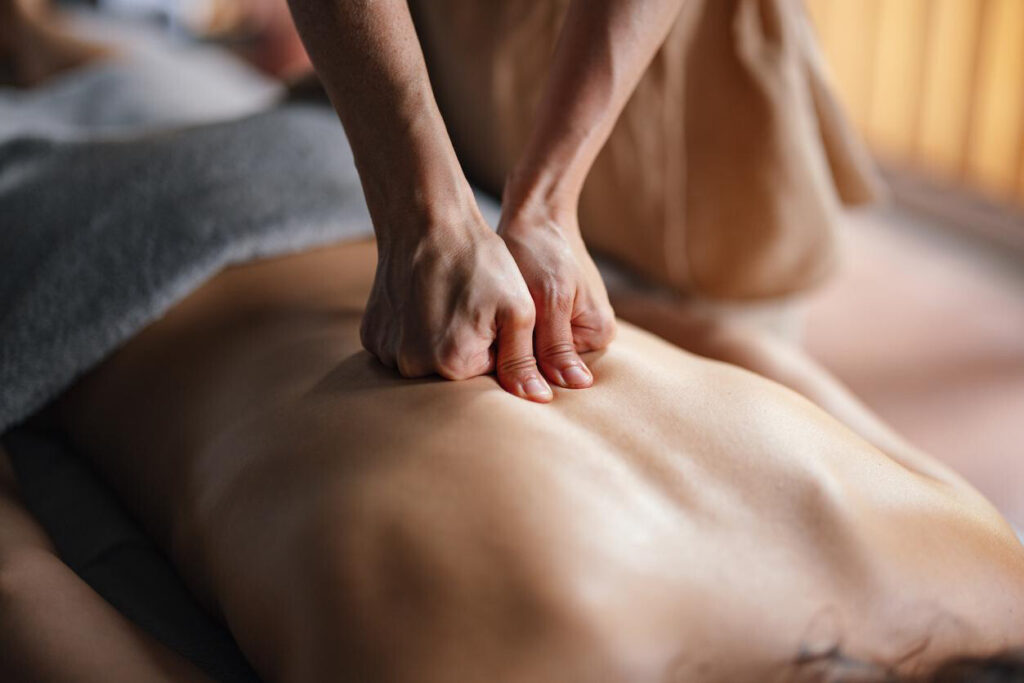
Sports massage can feel more intense and occasionally uncomfortable. It helps heal injuries, prevent new ones, relieve sore muscles, and support recovery. Therapists often focus treatment on specific muscles strained by overtraining.
How Sports Massage Enhances Athletic Performance
injuries.
Sports massage can improve your athletic performance and help you work out harder and better.
- Blood Circulation: Deep tissue massage improves your blood circulation, and when you have more blood going to your muscles, they get more oxygen and nutrients. This results in faster recovery and better performance.
- Range of Motion: If your range of motion has decreased in some joints, sports massage can help. Regular sessions are especially effective at restoring your full range of motion.
- Muscle Stiffness: For DOMS (delayed onset muscle soreness) or that stiff feeling you get a few hours after a tough workout, restorative massage can work wonders.
- Balance: Athletic massage can help improve your balance and coordination. These skills depend on the signals sent between your brain and body.
The Role of Sports Massage in Injury Prevention
It may surprise you to learn that many sports injuries are preventable. To prevent injuries, sports massage is a useful tool for identifying overworked or underworked body parts. This allows you to correct imbalances before they cause problems.
Plus, it also helps with stiffness and knots that may have developed in certain parts of the body. You can start moving more smoothly and avoid injuries by unknotting these areas.
Performance massage can also improve your biomechanics and movement patterns. It helps your body move in a balanced and efficient way without strain. Consistently aiding in recovery, it can help to prevent injuries caused by muscle overuse.
Key Sports Massage Techniques Used
If you’re curious about what a sports massage involves, your therapist will use some of the most common techniques:
- Deep Tissue and Focused Pressure: Your massage therapist will likely use slow, deliberate pressure on specific muscles. This technique reaches beneath the superficial layers to relieve tightness in high-stress and overused muscle groups.
- Myofascial Release: The myofascia is the connective tissue between muscles, which can become tight. Releasing this tissue can help you move more freely and comfortably.
- Trigger Point Therapy: If you have trigger points or knots within your muscles, your massage therapist will identify them. Steady pressure is then applied to release these areas and help prevent compensation injuries.
- Stretching and Assisted Mobility Techniques: Your massage therapist will enhance your range of motion and recuperation following workouts by assisting you in stretching and increasing your mobility.
- Pre-Event vs. Post-Event Techniques: Pre-event massages will stimulate your muscles more, while post-event massages will help in recovery by flushing metabolic waste.
Who Benefits Most from Sports Massage?
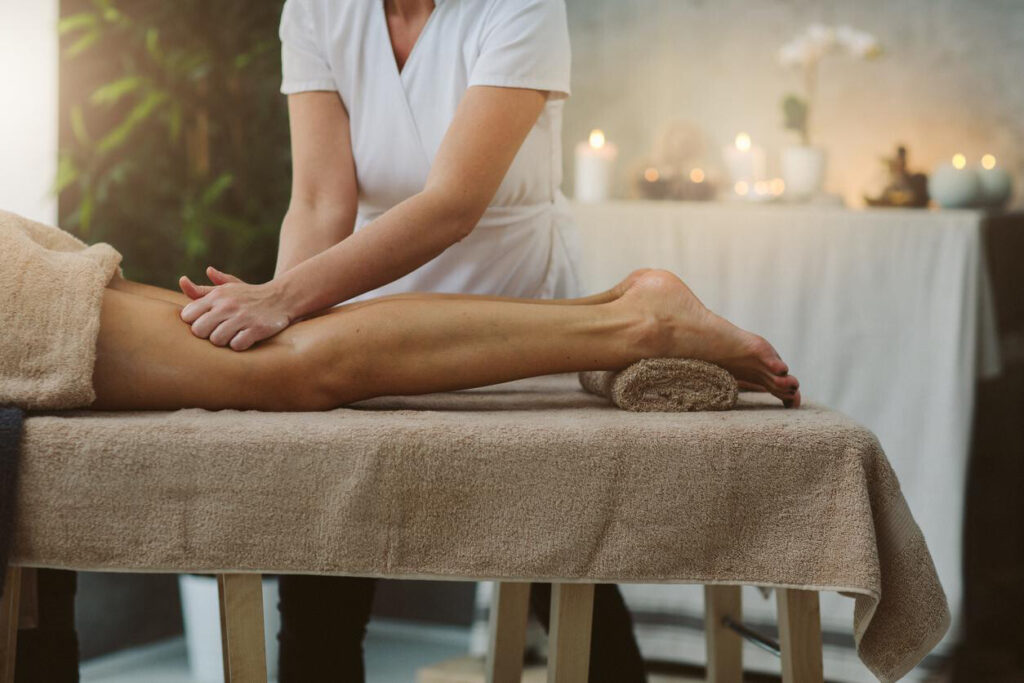
Sports massage greatly benefits competitive athletes. It is also ideal for runners, cyclists, gym-goers, dancers, personal trainers, and anyone with a physically demanding job. Whether you are training your body for a sport, a hobby, or a profession, you can benefit from athletic massage.
Common Injuries a Sports Massage Can Help Prevent
Athletes, gymgoers, and anyone who has ever done a tough workout may have, at some point or another, suffered a muscle strain or tear.
Tendonitis is an inflammation of the tissue that connects muscles to bone. It develops due to repetitive movements and inadequate recovery.
IT band syndrome is caused by an irritation of the band on the outside of your thighs. Irritation of the band on the bottom of the foot is the cause of plantar fasciitis. Deep tissue massage can be very beneficial for these conditions, as well as knee and shoulder injuries.
How Often Should You Get a Sports Massage?
If you’re training a great deal, more frequent athletic massages can help you with recovery, but if you’re in competition season, then shorter massage sessions can help with maintenance.
Similarly, if you’re training heavily, then weekly massage sessions are suitable, but you can decrease to biweekly or monthly if your training load is lighter.
A general rule to keep in mind is that you can increase massage therapy as your training load increases.
What to Expect During a Sports Massage Session
Your sports therapy session will start with a brief evaluation in which you can tell your therapist about the problems you are facing, such as stiffness or strains in certain parts of your body. They will also do some movement checks to see how your body is functioning.
Next, your therapist will perform a targeted, results-driven massage, focusing on the parts of your body that need it most. The therapist will use moderate to deep pressure, and this can sometimes feel quite intense but should fade within a day or two.
Keep in mind that you can always give them feedback about what’s working well for you and what isn’t.
Supporting Sports Massage With Proper Recovery Habits
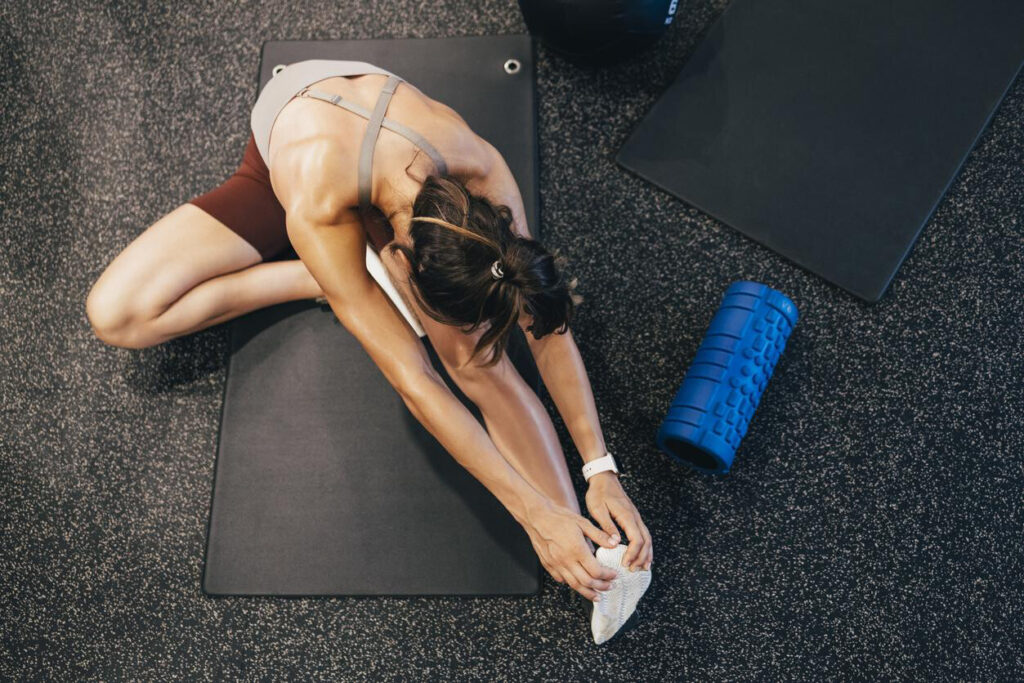
Although sports massage is very effective, it makes sense to use it in conjunction with other habits that will also aid in health and recovery. Hydration and nutrition are essential for keeping your muscles supple and healing the micro-tears caused by strenuous exercise. It’s necessary to keep a bottle of water with you while exercising and eat plenty of protein as well as fruits and vegetables.
Warming up before your workout and cooling down afterward helps prepare your muscles for activity and prevents stiffness. Incorporate stretching and mobility exercises into your routine to prevent injuries and maintain your full range of motion.
Finally, it’s impossible to overrate the significance of rest and sleep in recovery, so make sure you get eight hours of sleep as often as possible.
When Sports Massage Should Be Part of a Larger Care Plan
Sports massage is great for both aiding recovery and preventing injuries. But what if you already have an injury, accompanied by sharp pain, swelling, or numbness?
In such cases, remember to combine massage therapy with other forms of care, such as structured training, physical therapy, or chiropractic treatment.
Train Smarter, Recover Better
Sports massage is a great tool that can help with injury prevention and bodily stiffness, as well as increasing your range of motion and physical balance. However, it’s a good idea to take proactive care of your body rather than simply providing it with reactive treatment.
What this means is that you shouldn’t wait until you have lost range of motion or developed a muscle knot. Start getting massage therapy even before you run into any performance issues, and it will help you to prevent them in the future. If your goal is longevity, then consistent training and self-care will build your resilience.
Contact us to set up a sports massage that will help you move better, recover faster, and be consistent in your training goals.